
Tapes, Foams, & Adhesives

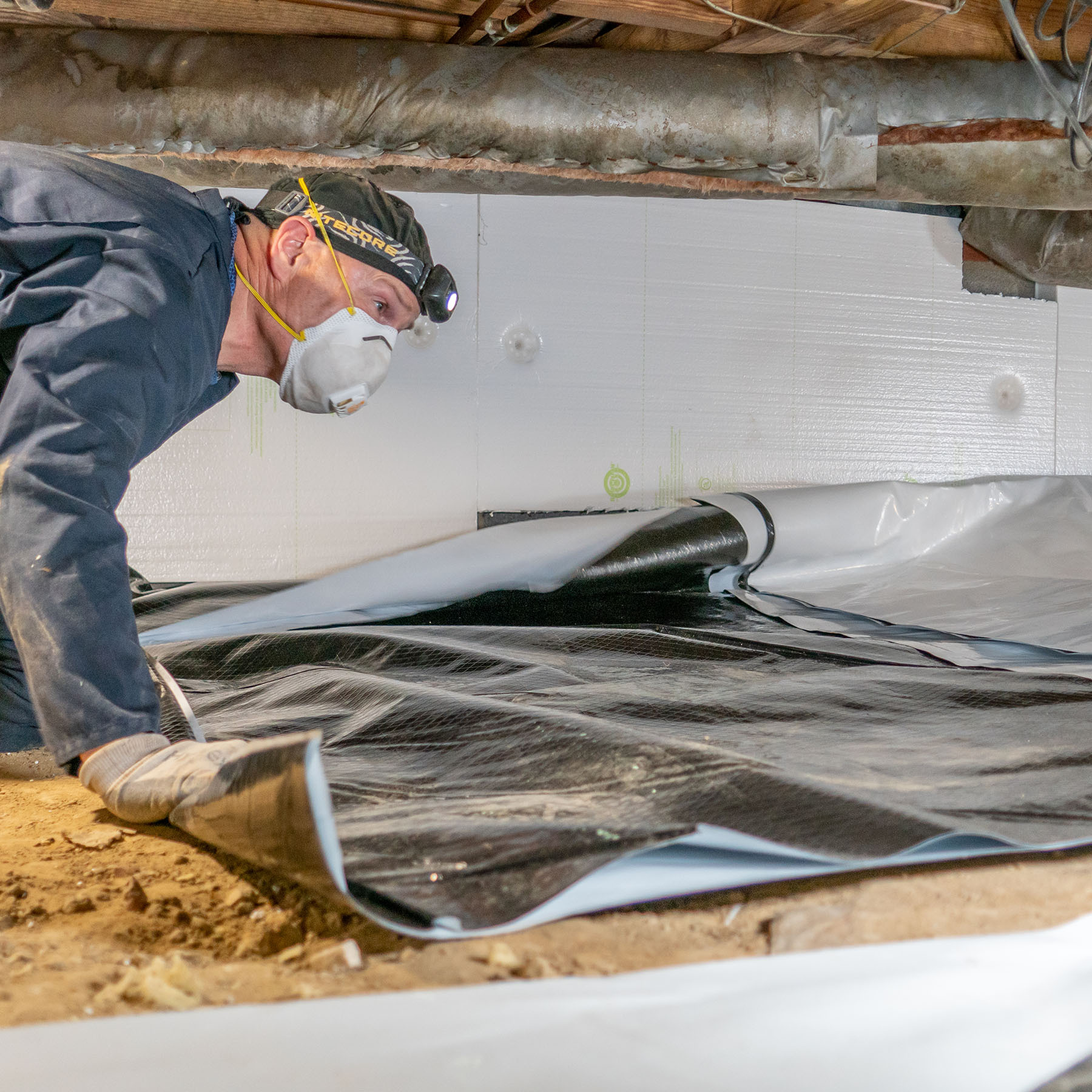
A vapor barrier is only as effective as its seams. Crawlspace Depot carries polyethylene sealing tape, double-sided butyl tape, caulking adhesives, and professional-grade foam sealants for crawl space encapsulation. Whether you're sealing vapor barrier seams on the floor, bonding material to foundation walls and piers, or filling gaps around pipes and penetrations, these products ensure a tight, long-lasting seal throughout your crawl space.
FAQs

Do crawl space vapor barrier seams need to be taped?

Yes. If two pieces of vapor barrier overlap, the seam should be sealed with crawl space vapor barrier tape. Untaped seams can allow ground moisture and soil gases to move into the crawl space, reducing the effectiveness of the liner. A sealed seam helps create a more continuous moisture barrier across the floor and walls.

What kind of tape should I use for crawl space vapor barrier seams?

Use a waterproof polyethylene sealing tape made for vapor barrier seams. Standard household tapes are not designed for long-term crawl space conditions and may lose adhesion over time. For encapsulation work, choose a tape that bonds well to polyethylene liner and is wide enough to cover the seam with room on both sides.

Can I use duct tape, Tyvek tape, or housewrap tape on a crawl space vapor barrier?

Duct tape is not recommended for crawl space vapor barrier seams because it usually does not hold up well in damp, dirty, or changing crawl space conditions. Housewrap tapes may work for their intended building-wrap applications, but crawl space liner should be sealed with tape made for polyethylene vapor barrier. For a permanent encapsulation project, use vapor barrier seam tape rather than general-purpose tape.

What is the difference between vapor barrier seam tape and double-sided butyl tape?

Vapor barrier seam tape is usually used on top of overlapping liner seams to seal two pieces of polyethylene together but can also be used to attach the vapor barrier to the surface of our termite resistant foam board insulation. Double-sided butyl tape is tacky on both sides and is often used when you need to bond liner to a surface, such as masonry or piers. In simple terms: seam tape seals liner-to-liner overlaps and to rigid foam insulation board, while butyl tape helps attach and seal liner against walls and piers.

How much should vapor barrier seams overlap before taping?

A good crawl space vapor barrier installation should have at least a 6 inch overlap and be sealed with vapor barrier tape. Many encapsulation projects use a 12-inch overlap to provide a margin of error and a little extra protection. Always check your local building code as most codes will specify the minimum overlap required.

Why won’t my tape stick to my crawl space wall or foundation?

Most vapor barrier seam tape is made to stick to polyethylene liner, not rough concrete, block, brick, dusty masonry, or damp foundation walls. If you are trying to attach liner to a wall, you may need butyl tape, caulk adhesive, mechanical fasteners, or a combination of products. Clean, dry surfaces are important because dust, dirt, moisture, and loose material can keep adhesives from bonding properly.

How do I attach vapor barrier to concrete, block, brick, or masonry walls?

To attach vapor barrier to masonry, there are a few options. Mechanically fastening it to the wall is the most durable method. Products such as Christmas Tree Fasteners work really well for this. It is also recommended that you create a seal between the liner and the masonry with foam or caulk to block any moisture coming up from underneath the liner. Another viable option for masonry that is smooth, dry and free from debris is double sided butyl tape. This product will take care of both the attachment and creating a seal at the same time but does require the right wall surface. For maximum effectiveness brush loose dirt from the wall, let the surface dry as much as possible, and press the liner firmly into the adhesive or tape. Vapor Barrier Seam tape is not a good option and is better for liner-to-liner seams than for holding liner to a foundation wall.

How do I seal vapor barrier around pipes, piers, columns, and other penetrations?

Cut the vapor barrier as tightly as possible around the obstruction, then use liner patches and vapor barrier tape to seal the area. For larger gaps around pipes, penetrations, or irregular openings, caulk adhesive or spray foam may also be used or needed to close the gap. The goal is to avoid open edges where moisture, air, or pests can move through the encapsulation system.

Can vapor barrier tape be used to repair tears, holes, or damaged liner?

Yes, small tears or holes in crawl space liner can often be repaired with vapor barrier tape. For larger damage, place a patch of compatible liner over the damaged area leaving a 12 inch or so overlap and tape around all edges of the patch. If the patch is too large, you may leave the potential for moisture or water to get trapped between the two layers. As an alternative, if you are able to put the patch under the hole, you can still tape it from the top and avoid creating an area for moisture to get trapped between the layers. Lastly, make sure the surface is clean and dry before applying tape so the repair bonds properly.

When should I use caulk adhesive instead of spray foam?

Most of the time it comes down to preference, but also the application. Spray foam is great for filling larger gaps, cavities, voids, and cracks, while caulk adhesive generally provides a little more adhesive power and a more precise bead. There are also adhesive foams available that can give you the advantages of spray foam but with a little more adhesive strength. Generally spray foam is used when contractors will use an adhesive spray foam to create the air seal when vapor barriers are attached to walls or piers that use mechanical fasteners. Of course, caulk can also do a very good job at this too. For the application, using spray foam with a foam dispenser is much easier than using caulking tubes or foams that have a clear tube attached. A can of spray foam will also go a lot further than a single tube of caulk saving you time from having to change out multiple caulking tubes. It is also important to be aware that not all caulk or spray foam will adhere well to polyethylene so use a product that has a reputation for being used in encapsulated crawl spaces and with vapor barriers.

Your Best Source for Quality Encapsulated Crawl Space Products

Need help? Call us at